


When you fall ill in an unfamiliar country, the pain itself often isn't the biggest worry. "Which hospital should I go to? Will I be able to explain my symptoms? Will I understand what the doctor says?" That uncertainty is why so many people keep putting off a visit, even when their back or knee hurts.
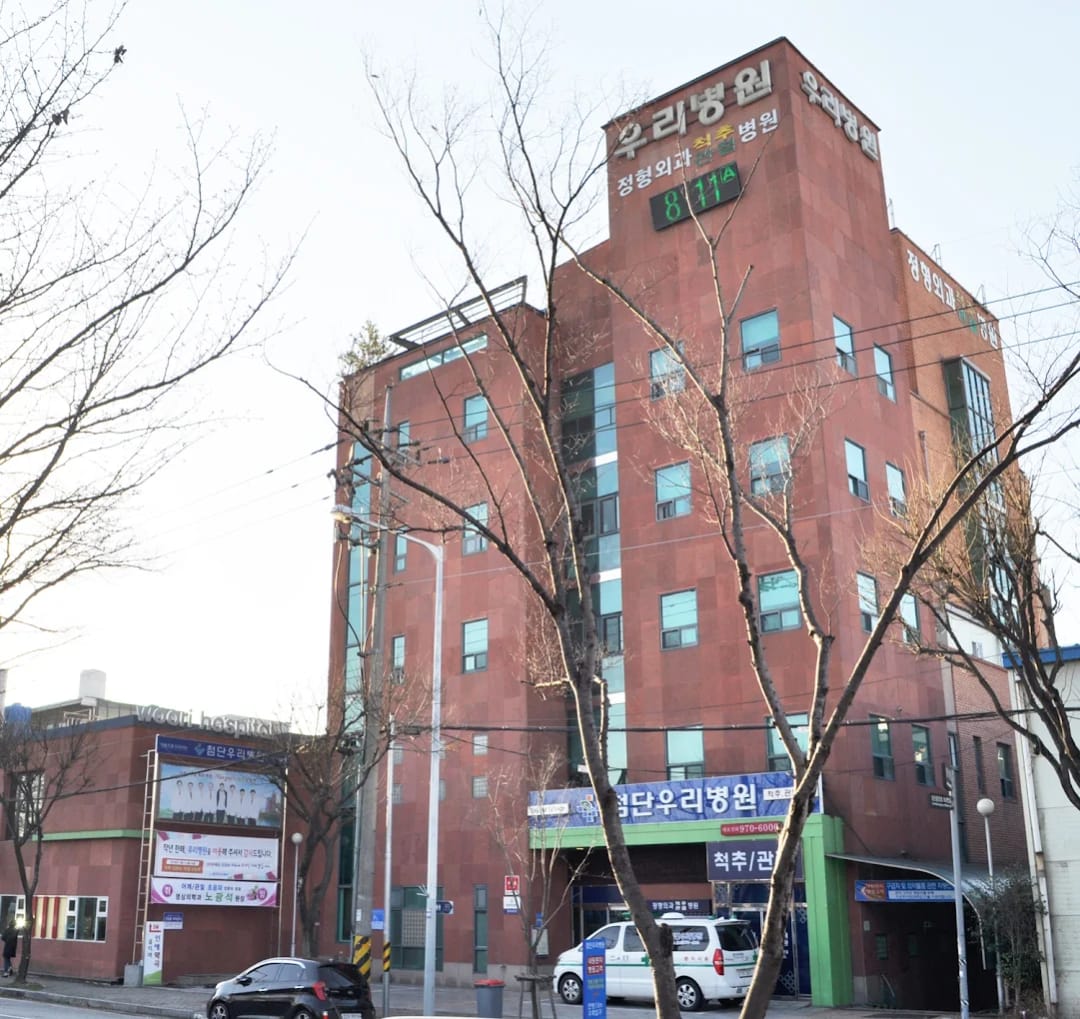
Cheomdan Woori Hospital, in the Cheomdan district of Gwangju, is a hospital built to ease exactly that uncertainty. And this isn't something the hospital simply claims about itself — it's a fact officially recognized by Gwangju Metropolitan City. Cheomdan Woori Hospital is a city-designated Foreign Resident-Friendly Hospital.
A "Foreigner-Friendly Hospital" Certified by Gwangju City
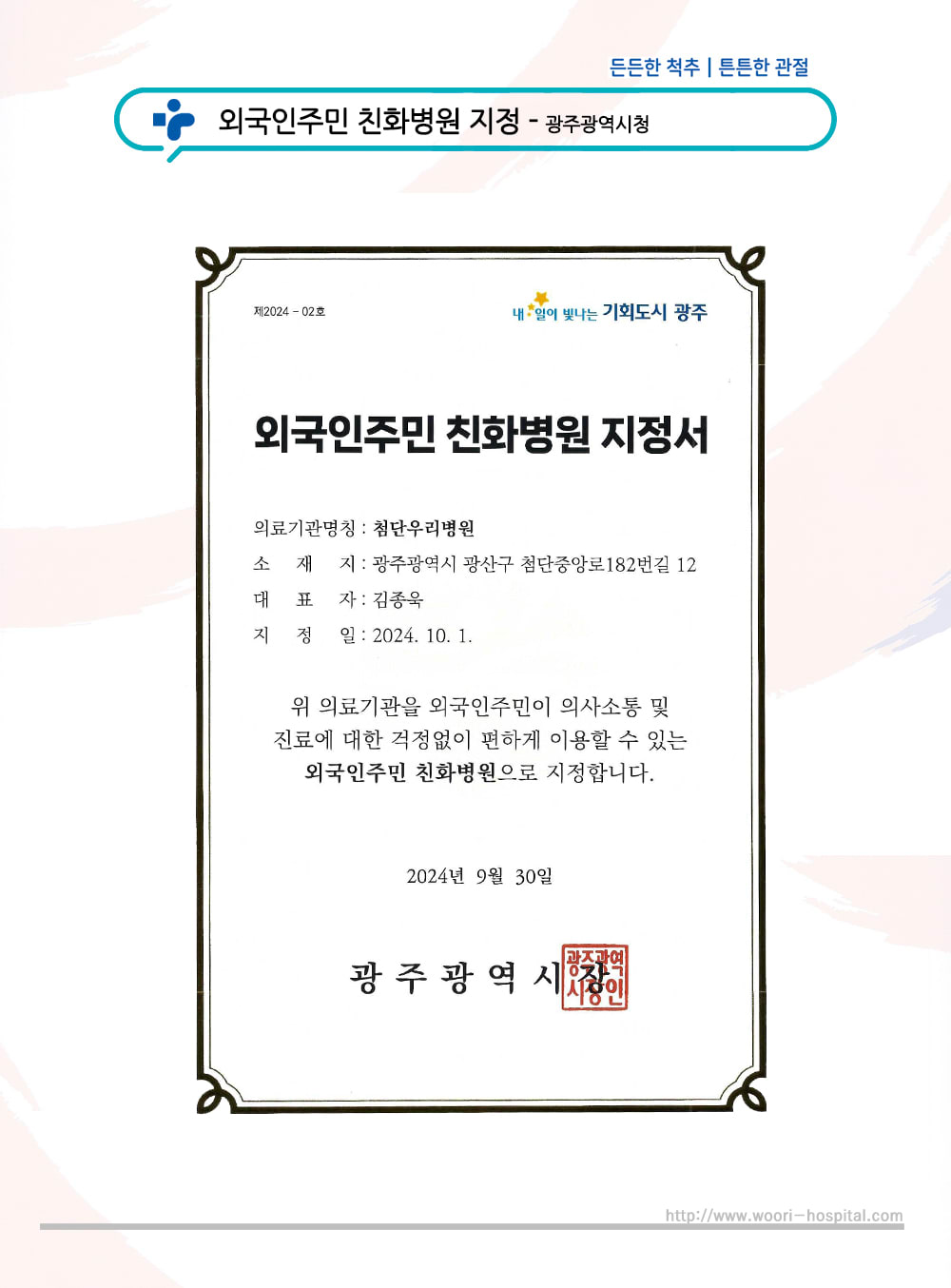
On September 30, 2024, Gwangju Metropolitan City designated Cheomdan Woori Hospital a Foreign Resident-Friendly Hospital. The meaning of that designation is clear: it recognizes the hospital as a place where foreign residents can receive care and communicate without worry.
If you're a foreigner living in Korea, you've probably been through it at least once — the frustration of not finding the right word to describe a symptom, walking out without fully understanding how to take your prescription, or the anxiety of not knowing how much the bill will come to. The foreigner-friendly designation is the city's assurance that this is a hospital that takes care to prevent exactly those situations.
Cheomdan Woori Hospital welcomes foreign patients with ease. Even if you aren't comfortable in Korean, there's no need to worry too much. As a hospital the city has recognized as foreigner-friendly, it takes care to make sure foreign patients aren't left uncomfortable during their visit. For a foreigner who finds a first visit to a new hospital daunting, that alone can take a good deal of the worry away.
This is especially true if it's your first time at a Korean hospital, or if you're looking into a hospital on behalf of family or a colleague — this single designation gives you a starting point of "this is a place I can go to with peace of mind."
Why Foreign Patients Can Feel at Ease
Being foreigner-friendly means more than just "we can communicate." Cheomdan Woori Hospital's strength lies in reducing the practical difficulties foreign patients actually run into when using a hospital.
First, everything is handled in one place, from diagnosis through treatment. When you aren't comfortable in Korean, moving from one hospital to another is a major source of stress in itself. At Cheomdan Woori Hospital, examination, diagnosis, surgery, and pain management all continue under one roof, so there's little need to shuttle between places.
It's also easy to reach without a car, thanks to numerous bus routes, and the consultation hours and parking information are clearly laid out. For a foreigner who finds the streets and transport of an unfamiliar city confusing, a simple detail like that can be a real help.
If You Have This Kind of Pain, Don't Put It Off
Back and knee pain are so common that it's easy to think, "it'll get better if I just bear with it." But if you notice any of the following signs, it's worth getting a proper diagnosis. If back pain lasts more than two weeks, radiates down into your leg as a tingling sensation, or gets noticeably worse in certain postures, it may be more than simple muscle pain. With the knee, if it hurts going up and down stairs, twinges when you stand up after sitting, or your leg feels like it's gradually bowing, the problem may lie inside the joint. If the pain is bad enough to keep you up at night, it's best not to delay.
The cause could be simple inflammation, a herniated disc or spinal stenosis, or cartilage damage. What matters is not guessing on your own, but having it looked at properly. That's exactly what Cheomdan Woori Hospital emphasizes: before recommending any unnecessary surgery, diagnose accurately first.
A Spine and Joint Specialty Hospital That Goes Deep in One Field
Cheomdan Woori Hospital isn't a general hospital covering every department; it's a specialty hospital that goes deep into the spine and joints. Its motto says as much: "A dependable spine, sturdy joints." Concentrating on one field means seeing a great many patients with similar conditions, and building up experience along the way.
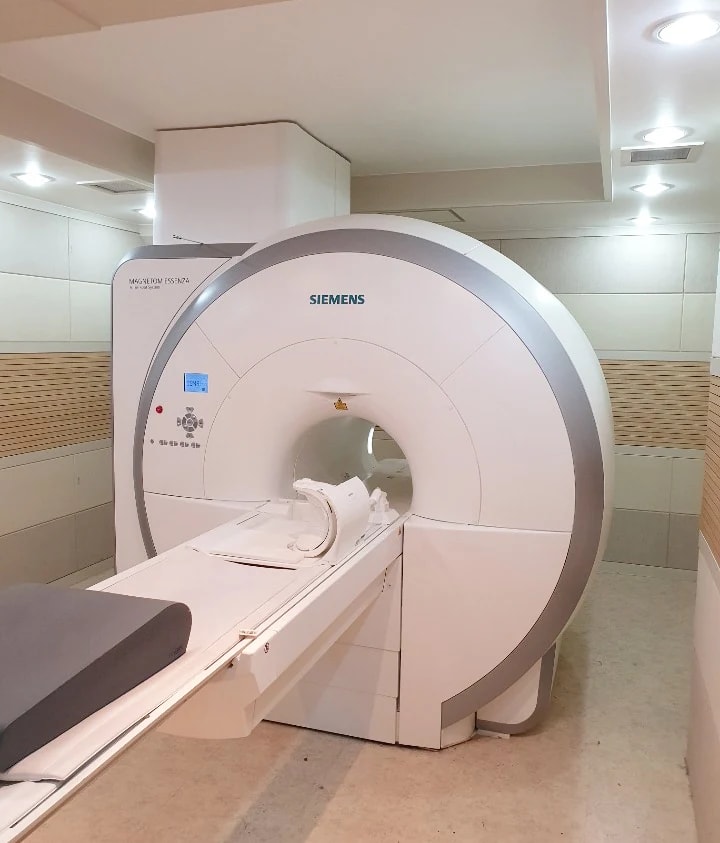
It's also not a small clinic where a single director handles everything, but a team structure where several specialists work together. Orthopedics handles spinal conditions, disc surgery, artificial joints, and arthroscopy; anesthesiology and pain medicine manages pain that doesn't require surgery, along with nerve treatments; and radiology builds the foundation for an accurate diagnosis through CT, MRI, and ultrasound readings. Having several specialists examine one patient's problem under the same roof means not having to wander between hospitals repeating the same explanation.
Spine Clinic — Preserve the Healthy Tissue, Treat Only the Problem
The spine clinic covers a wide range of neck and lower-back disc conditions. From microscopic disc surgery, nerve treatment (PEN), and nucleus decompression to minimally invasive spinal fusion and cervical disc surgery, the method is chosen according to how far the condition has progressed.
Two terms that often get confused are worth clarifying: a "herniated disc" is when the soft cartilage between the vertebrae pushes out and presses on a nerve, while "stenosis" is when the passage the nerve travels through narrows and compresses it. The symptoms can look similar, but the causes and treatments differ — so an accurate examination comes first.
The microscopic disc surgery the hospital is known for uses a microscope that magnifies the surgical site many times over, leaving healthy tissue as intact as possible and removing only the problematic disc material. Because the incision is small, there's less bleeding and scarring, recovery and return to daily life tend to be faster, and the short operating time means even older patients or those with chronic conditions can undergo it. That said, in cases such as an unstable spine it can't be done on its own, so a specialist consultation confirms first whether it's suitable.
Pain Clinic — Easing Pain Without Surgery, in Under 10 Minutes
Not every kind of pain leads straight to surgery. The pain clinic's nerve treatment uses a very fine needle to inject medication into the nerve area causing the pain, calming inflammation and settling the nerve. It takes under 10 minutes, treatment happens at the same time as diagnosis, and side effects are minimal. Because even patients with high blood pressure, diabetes, or heart conditions, as well as older patients, can receive it relatively safely, it's a realistic option for those wary of surgery. Neck and lower-back discs and stenosis are the main targets. Everyday activity is possible after the procedure, though it's best to avoid strenuous activity for a while.
Joint Clinic — From Young Injuries to Age-Related Wear
The joint clinic covers the full range of joints, including knee and shoulder arthroscopy, cartilage regeneration procedures, artificial joint surgery, anterior and posterior cruciate ligament surgery, and bow-leg correction. Arthroscopic surgery inserts a camera through a small opening of about 0.5 cm to treat the joint while viewing the inside directly, preserving healthy tissue as much as possible for a faster recovery.
Take two common knee problems as examples. One is a tear of the meniscus — the cartilage that acts as a cushion absorbing shock — caused by repeated use or a sudden twist. It appears not only in younger people who enjoy sports but also in homemakers and older adults. The other is degenerative arthritis, where cartilage wears down with age until bone meets bone and pain sets in. Even with the same knee pain, the cause varies from person to person, so treatment differs according to the location and extent of the damage. Here, too, a specialist's diagnosis comes before surgery.
Surgery Isn't the Whole Answer — Non-Surgical Movement Therapy
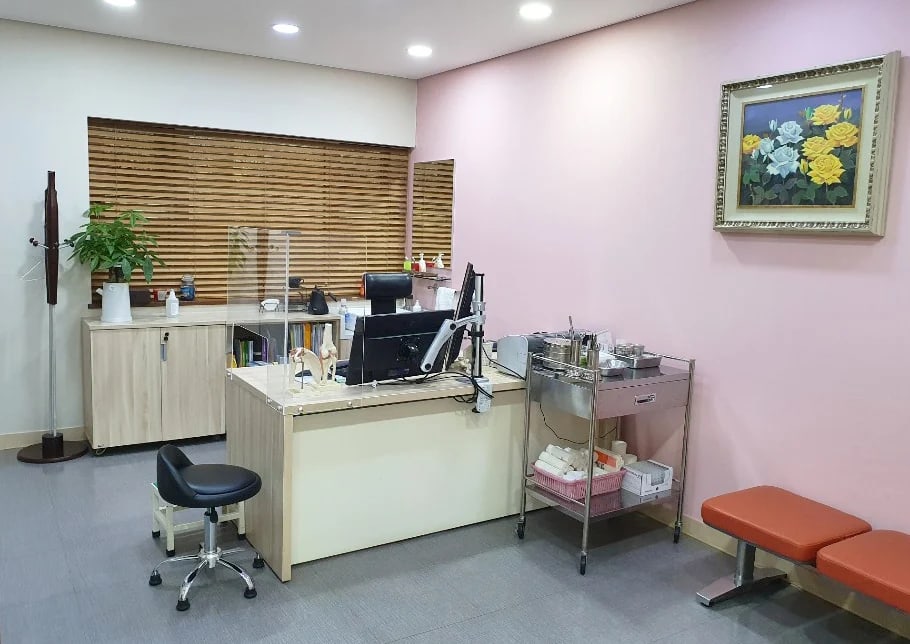
Many people delay treatment out of worry that "the hospital will just tell me to have surgery." Cheomdan Woori Hospital also offers paths to recovery without surgery: manual therapy, 3D non-surgical spine treatment, and shockwave therapy. Manual therapy in particular adopts an internationally recognized orthopedic manual method, in which trained physical therapists work directly on the muscles causing the pain. If you book ahead, you can be treated right away with no waiting, making it easy to keep up regularly even with a busy schedule.
In short, the hospital's approach is consistent in one direction: diagnose accurately first, treat without surgery where it can be resolved that way, operate only minimally when truly necessary, and then see the patient through recovery — all in one place.
Things Worth Knowing Before Your Visit
A first visit to any hospital comes with small uncertainties. Getting there is easy by bus, with express, trunk, and branch routes all running through the Cheomdan area. If you come by car, note that the underground parking is reserved for service vehicles, so visitors and inpatients should use the external parking lot. Inpatients are given one free day of parking each on admission and discharge day. Since the consultation schedule can change depending on circumstances, if you're coming from far away or want to see a particular doctor, it's safest to confirm by phone before visiting.
Directions and Visit Information
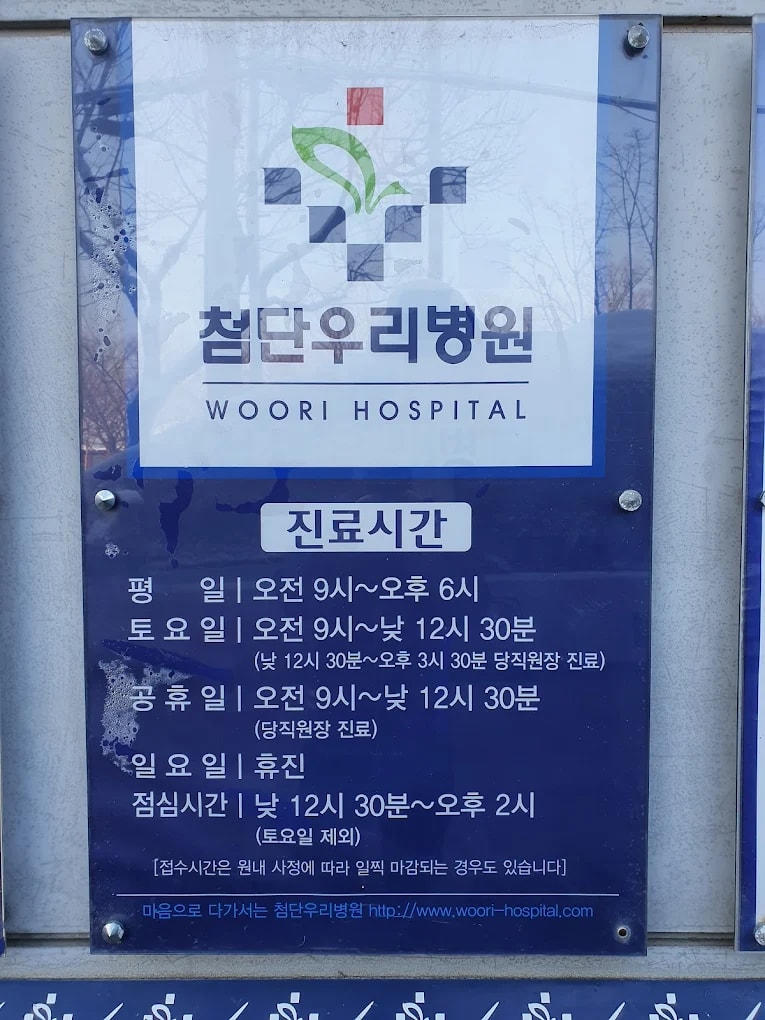
• Hours Weekdays 09:00 ~ 17:30 / Saturday 09:00 ~ 12:30
• Location 12, Cheomdanjungang-ro 182beon-gil, Gwangsan-gu, Gwangju (Ssangam-dong 654-4)
• Main line 062-970-6000
• Website https://www.woori-hospital.com
In Closing

When you're unwell in an unfamiliar place, what you need most isn't anything grand — it's the single reassurance that "I can go here and be cared for with peace of mind." Cheomdan Woori Hospital is a city-recognized foreigner-friendly hospital and a specialty hospital that connects spine and joint care from diagnosis through treatment to recovery, all in one place. It welcomes foreign patients with ease, and it's a place that puts accurate diagnosis ahead of unnecessary surgery.
If you've been putting off back or knee pain by telling yourself to "just bear with it," consider starting with a simple consultation, with an easy mind.
다른 글
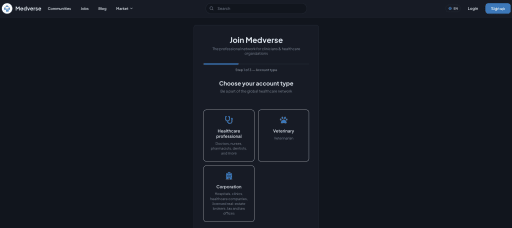
Medverse, All in One: Sign Up, List and Promote Your Products and Services, and Apply as a Partner
This guide walks you through the entire journey — joining Medverse as a partner, registering your products and services, and getting them in front of verifie...
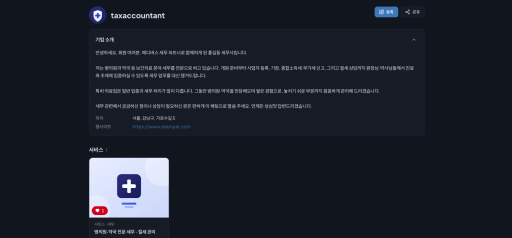
메디버스 가입부터 상품, 서비스 등록·홍보 그리고 제휴 파트너 신청까지 한 번에
이 글은 회원가입부터 전화번호와 사업자 인증, 회사 정보 입력, 서비스 등록, 커뮤니티 피드와 채팅방 홍보, 그리고 파트너스 등재까지 하나의 흐름으로 이어집니다. 여기서는 예시로 세무사가 가입하는 과정을 보여드립니다. 세무사는 세무와 절세 서비스를, 노무사는 노무 서비스를, 의료...
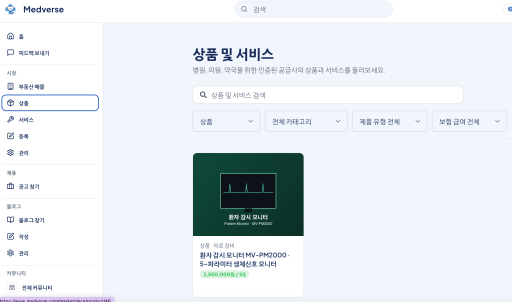
제약회사·약 도매상 필독! 의사·약사한테 직접 제품 홍보하는 법 — 메디버스 의약품 등록 완전 가이드 💊
안녕하세요! 오늘은 제약회사, 의약품 도매상, 건강기능식품 회사처럼 병원·의원·약국에 제품을 홍보하고 싶은 분들한테 딱 맞는 정보 가져왔어요. MR이 병원 일일이 방문하거나, 학회 광고 비용 쓰지 않아도 검증된 의사·약사한테 직접 제품 정보를 전달하는 방법이 있거든요. 바로 의...
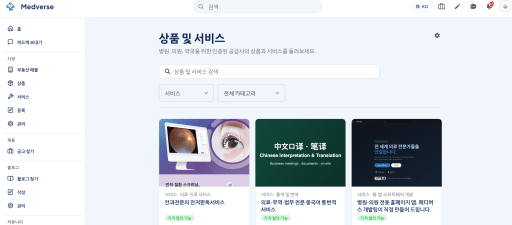
의료기기·서비스 홍보하는 법 — 메디버스 서비스 등록 가이드
안녕하세요! 오늘은 의료기기, 헬스케어 서비스, 의료 소프트웨어 등을 병원·의원·약국에 홍보하고 싶으신 분들한테 딱 맞는 정보 가져왔어요. 영업사원이 병원 일일이 방문하거나, 학회 광고 비용 쓰지 않아도 검증된 의료인한테 직접 닿는 방법이 있거든요. 바로 의료인 전용 플랫폼 메...
Medverse — the platform for every healthcare professional. Start free today at medverse.com
Why Medverse — Healthcare Isn't Done by Clinicians Alone ## Why We Started Medverse What we set out to build is simple: one place where healthcare professi...
모든 보건의료인을 위한 플랫폼, 메디버스 - 지금 medverse.com에서 무료로 시작하세요
왜 메디버스인가 — 의료는 보건의료인 혼자 하는 일이 아닙니다 ## 메디버스를 시작한 이유 저희가 만들고 싶었던 건 단순합니다. 보건의료인, 의료법인과 기관, 그리고 그들을 둘러싼 사람들 — 공인중개사부터 제약회사, 개발자까지 — 이 한자리에서 서로 소통하는 공간. 그런데 막...